
Connect With Us

Arthritis in the feet occurs when joint cartilage gradually wears down or becomes damaged, leading to inflammation and painful movement. Each foot contains dozens of joints, so even small structural changes can affect walking and balance. Early signs of arthritis include aching during activity, swelling, stiffness after rest, and tenderness when pressure is placed on the foot. Osteoarthritis, which commonly affects the big toe joint, develops from long-term joint wear. Rheumatoid and psoriatic arthritis result from immune system disorders that attack joint tissue. Previous injury, aging, excess body weight, family history, and abnormal foot mechanics can increase risk. A podiatrist can evaluate joint motion, identify deformities, order diagnostic imaging, and design a medical plan to reduce inflammation and protect joint function. If you have symptoms of arthritis in the feet, it is suggested that you make an appointment with a podiatrist for an exam, diagnosis, and ongoing treatment.
Arthritis can be a difficult condition to live with. If you are seeking treatment, contact Scott Amoss, DPM from Advanced Foot & Ankle Specialists. our doctor can provide the care you need to keep you pain-free and on your feet.
Arthritic Foot Care
Arthritis is a term that is commonly used to describe joint pain. The condition itself can occur to anyone of any age, race, or gender, and there are over 100 types of it. Nevertheless, arthritis is more commonly found in women compared to men, and it is also more prevalent in those who are overweight. The causes of arthritis vary depending on which type of arthritis you have. Osteoarthritis for example, is often caused by injury, while rheumatoid arthritis is caused by a misdirected immune system.
Symptoms
Arthritic symptoms range in severity, and they may come and go. Some symptoms stay the same for several years but could potentially get worse with time. Severe cases of arthritis can prevent its sufferers from performing daily activities and make walking difficult.
Risk Factors
If you suspect your arthritis is affecting your feet, it is crucial that you see a podiatrist immediately. Your doctor will be able to address your specific case and help you decide which treatment method is best for you.
If you have any questions please feel free to contact our offices located in Whiting and Toms River, NJ . We offer the newest diagnostic tools and technology to treat your foot and ankle needs.

Sever's disease is a common cause of heel pain in active children and adolescents, often occurring during periods of rapid growth. It is caused by inflammation of the growth plate in the heel, frequently triggered by repetitive stress from running, jumping, or sports activity. This is especially common in children with tight calf muscles or high arches. Symptoms include pain at the back or bottom of the heel, swelling, tenderness, and limping after activity. The heel may look slightly swollen or red, and it can feel sore, stiff, or sensitive when walking, running, or standing on tiptoe. A podiatrist can help by starting with a careful examination of the heel and foot structure to confirm the diagnosis and rule out other conditions. Treatment often includes rest, footwear guidance, and targeted exercises to stretch and strengthen the calf and heel. Early care helps prevent further pain and allows safe activity. If your child is having issues with their feet, it is suggested that you schedule an appointment with a podiatrist for an evaluation and appropriate treatment plan.
Sever's disease often occurs in children and teens. If your child is experiencing foot or ankle pain, see Scott Amoss, DPM from Advanced Foot & Ankle Specialists. our doctor can treat your child’s foot and ankle needs.
Sever’s Disease
Sever’s disease is also known as calcaneal apophysitis, which is a medical condition that causes heel pain I none or both feet. The disease is known to affect children between the ages of 8 and 14.
Sever’s disease occurs when part of the child’s heel known as the growth plate (calcaneal epiphysis) is attached to the Achilles tendon. This area can suffer injury when the muscles and tendons of the growing foot do not keep pace with bone growth. Therefore, the constant pain which one experiences at the back of the heel will make the child unable to put any weight on the heel. The child is then forced to walk on their toes.
Symptoms
Acute pain – Pain associated with Sever’s disease is usually felt in the heel when the child engages in physical activity such as walking, jumping and or running.
Highly active – Children who are very active are among the most susceptible in experiencing Sever’s disease, because of the stress and tension placed on their feet.
If you have any questions, please feel free to contact our offices located in Whiting and Toms River, NJ . We offer the newest diagnostic and treatment technologies for all your foot care needs.
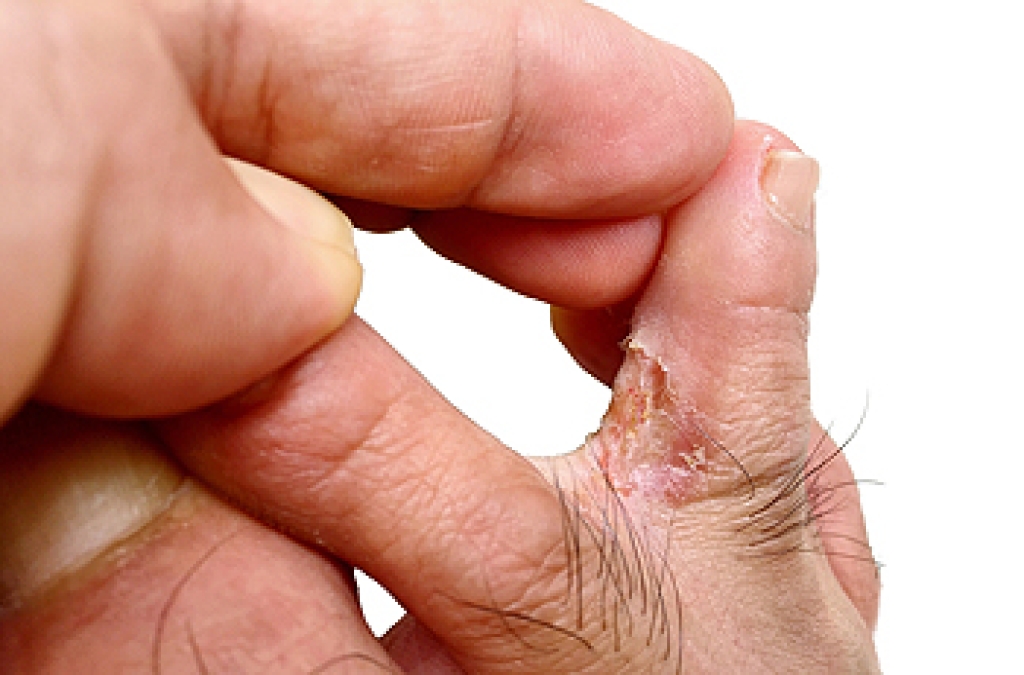
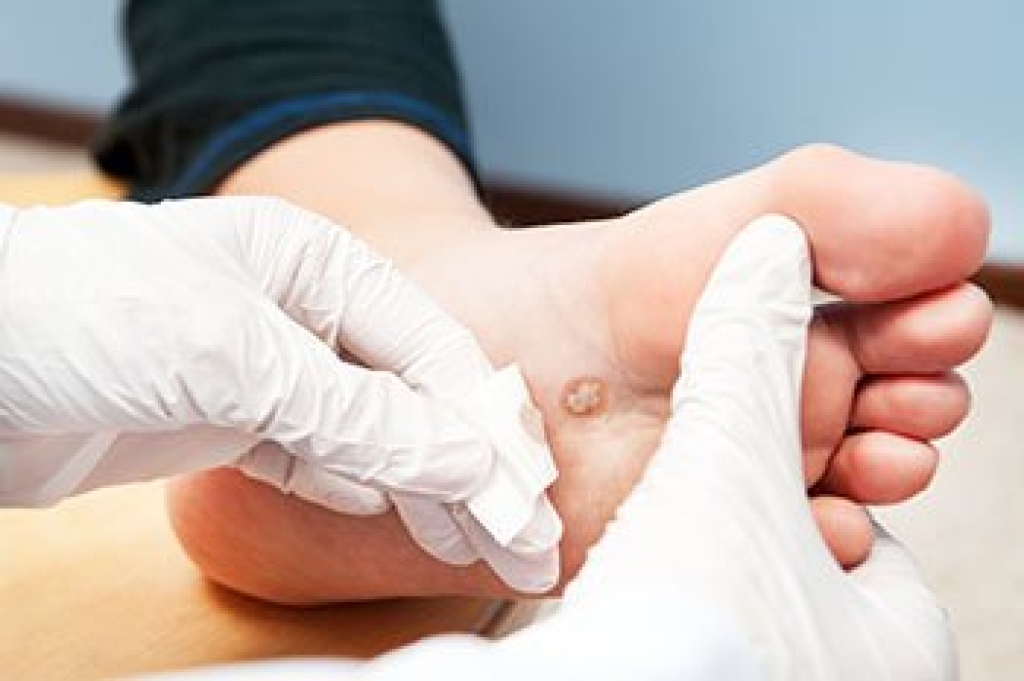
Plantar warts are growths that develop on the bottom of the foot when a virus enters through small breaks in the skin. A plantar wart may appear as a rough, thickened area with small dark dots from tiny clotted blood vessels. Walking pressure can cause soreness or a sharp sensation, especially when the wart forms on the heel or ball of the foot. A podiatrist can confirm the diagnosis and recommend medical treatment based on size, depth, and pain level. Options include prescription-strength topical medications, controlled chemical treatments, freezing techniques, laser therapy, or minor in-office procedures to remove the lesion. Follow-up care focuses on clearing any remaining virus and reducing recurrence while protecting healthy skin. If you believe you have a plantar wart on your foot, it is suggested that you make an appointment with a podiatrist for an exam, diagnosis, and treatment.
Plantar warts can be very uncomfortable. If you need your feet checked, contact Scott Amoss, DPM from Advanced Foot & Ankle Specialists. our doctor will assist you with all of your foot and ankle needs.
About Plantar Warts
Plantar warts are the result of HPV, or human papillomavirus, getting into open wounds on the feet. They are mostly found on the heels or balls of the feet.
While plantar warts are generally harmless, those experiencing excessive pain or those suffering from diabetes or a compromised immune system require immediate medical care. Plantar warts are easily diagnosed, usually through scraping off a bit of rough skin or by getting a biopsy.
Symptoms
Treatment
To help prevent developing plantar warts, avoid walking barefoot over abrasive surfaces that can cause cuts or wounds for HPV to get into. Avoiding direct contact with other warts, as well as not picking or rubbing existing warts, can help prevent the further spread of plantar warts. However, if you think you have developed plantar warts, speak to your podiatrist. He or she can diagnose the warts on your feet and recommend the appropriate treatment options.
If you have any questions, please feel free to contact our offices located in Whiting and Toms River, NJ . We offer the newest diagnostic and treatment technologies for all your foot care needs.
A tailor’s bunion, also known as a bunionette, develops at the base of the small toe when the 5th metatarsal bone shifts outward. This condition may be caused by inherited foot structure, repetitive pressure, or tight footwear that crowds the toes. Symptoms include aching pain, swelling, and irritation on the outside of the foot, along with signs such as redness, callus formation, and tenderness. The area may look like a small bony bump and can feel sore or burning, especially when wearing narrow shoes or walking for long periods. Over time, discomfort may interfere with daily activities. A podiatrist can help by starting with a careful examination and imaging when needed to confirm the diagnosis and assess bone alignment. Treatment usually begins with footwear changes, padding, and custom orthotics, and may progress to medications, targeted exercises, or corrective procedures when conservative care does not provide relief. If you have a painful tailor’s bunion, it is suggested that you make an appointment with a podiatrist.
If you are suffering from bunions, contact Scott Amoss, DPM of Advanced Foot & Ankle Specialists. our doctor can provide the care you need to keep you pain-free and on your feet.
What Is a Bunion?
A bunion is formed of swollen tissue or an enlargement of boney growth, usually located at the base joint of the toe that connects to the foot. The swelling occurs due to the bones in the big toe shifting inward, which impacts the other toes of the foot. This causes the area around the base of the big toe to become inflamed and painful.
Why Do Bunions Form?
Genetics – Susceptibility to bunions are often hereditary
Stress on the feet – Poorly fitted and uncomfortable footwear that places stress on feet, such as heels, can worsen existing bunions
How Are Bunions Diagnosed?
Podiatrists often perform two tests – blood tests and x-rays – when trying to diagnose bunions, especially in the early stages of development. Blood tests help determine if the foot pain is being caused by something else, such as arthritis, while x-rays provide a clear picture of your bone structure to your provider.
How Are Bunions Treated?
If you have any questions, please feel free to contact our offices located in Whiting and Toms River, NJ . We offer the newest diagnostic and treatment technologies for all your foot care needs.

Connect With Us