
Facts About Detached Toenails

A detached toenail can occur from direct injury, fungal infections, psoriasis, or complications related to diabetes. Once a toenail separates from the nail bed, it cannot be reattached and must be allowed to grow out naturally as a new nail forms. Risk factors include repetitive trauma, wearing tight footwear, poor circulation, and underlying skin or metabolic conditions. Symptoms include pain, discoloration, thickening, or complete nail lifting. A podiatrist can evaluate the cause, safely manage the affected nail, help prevent infection, and support healthy regrowth with proper care. They can also help address underlying conditions that contribute to nail problems. If your toenail has fallen off, it is suggested that you consult a podiatrist who can determine the cause and guide you toward management tips as the new nail grows in.

Toe pain can disrupt your daily activities. If you have any concerns, contact Scott Amoss, DPM of Advanced Foot & Ankle Specialists. our doctor can provide the care you need to keep you pain-free and on your feet.

What Causes Toe Pain?

Most severe toe pain is caused due to a sports injury, trauma from dropping something heavy on the toe, or bumping into something rigid. Other problems can develop over time for various reasons.

Toe pain can be caused by one or more ailments. The most common include:

  • Trauma
  • Sports injury
  • Wearing shoes that are too tight
  • Arthritis
  • Gout
  • Corns and calluses
  • Hammertoe
  • Bunions
  • Blisters
  • Ingrown toenails
  • Sprains
  • Fractures (broken bones)
  • Dislocations

When to See a Podiatrist

  • Severe pain
  • Persistent pain that lasts more than a week
  • Signs of infection
  • Continued swelling
  • Pain that prevents walking

Diagnosis

In many cases the cause of toe pain is obvious, but in others, a podiatrist may want to use more advanced methods to determine the problem. These can range from simple visual inspections and sensation tests to X-rays and MRI scans. Prior medical history, family medical history, and any recent physical traumatic events will all be taken into consideration for a proper diagnosis.

Treatment

Treatments for toe pain and injuries vary and may include shoe inserts, padding, taping, medicines, injections, and in some cases, surgery. If you believe that you have broken a toe, please see a podiatrist as soon as possible.

If you have any questions please contact our offices located in Whiting and Toms River, NJ . We offer the newest diagnostic and treatment technologies for all your foot and ankle needs.
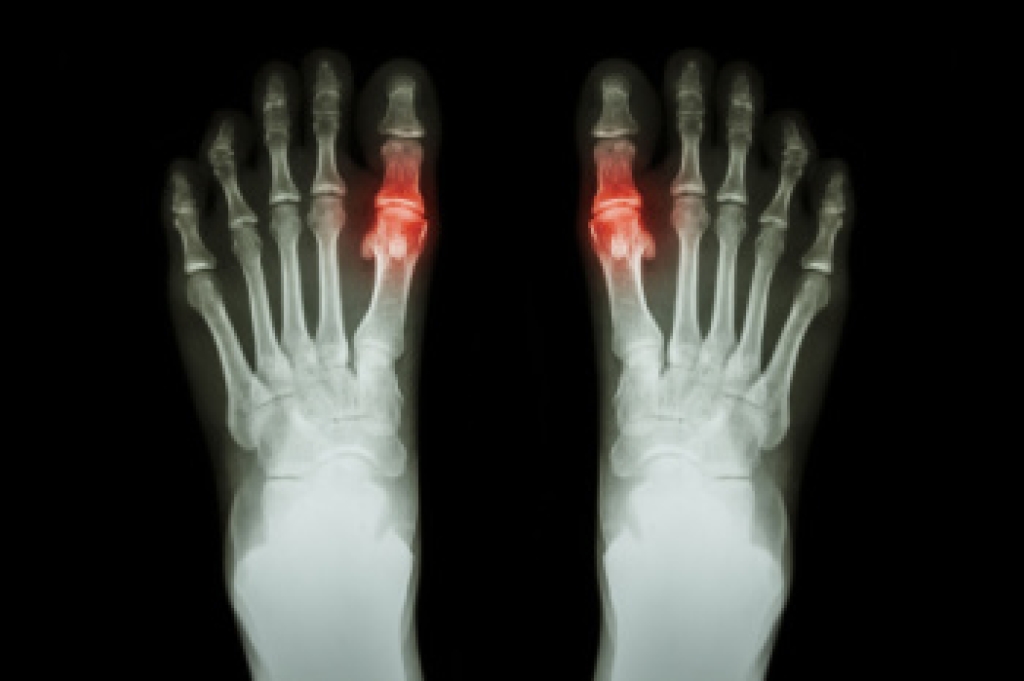
Read more about Toe Pain

Do You Suffer From Painful Feet?

Painful deformities, such as hammertoes, can be treated. Stop living with foot pain, and have beautiful feet again!

What Is an Isolated Medial Malleolar Fracture?

An isolated medial malleolar fracture is a break in the inner part of the ankle, at the bony bump on the inside called the medial malleolus. The word isolated means the fracture occurs on its own, without other parts of the ankle being broken. This injury often happens from a sudden twist, fall, or direct hit during sports or everyday movement. Common symptoms include pain, swelling, bruising, and trouble putting weight on the foot. Even though the break is in one area, it can still affect balance and walking. A podiatrist can diagnose the injury with an exam and imaging, then guide treatment such as casting, bracing, or surgery, if needed. This type of doctor also monitors healing to help restore movement safely. If you have ankle pain after an injury, it is suggested that you seek care from a podiatrist.

test

Read more about Broken Ankle Causes, Differences, Symptoms and Treatments

Ankle Replacement Surgery and Recovery

Ankle replacement surgery is designed to remove damaged ankle joint surfaces and replace them with artificial components to restore movement and reduce pain. It is often needed when severe arthritis or joint degeneration limits mobility and daily function. The surgery involves reshaping the bones and inserting prosthetic parts that allow smoother joint motion. Causes leading to this procedure include advanced arthritis, previous fractures, or chronic joint wear. Risk factors include aging, obesity, and prior ankle injuries. A podiatrist plays an important role by diagnosing joint damage, recommending treatment options, and guiding recovery and rehabilitation. If you have chronic ankle pain, it is suggested that you consult a podiatrist who can determine if this type of foot surgery is right for you.

Foot surgery is sometimes necessary to treat a foot ailment. To learn more, contact Scott Amoss, DPM of Advanced Foot & Ankle Specialists. our doctor will assist you with all of your foot and ankle needs.

When Is Surgery Necessary?

Foot and ankle surgery is generally reserved for cases in which less invasive, conservative procedures have failed to alleviate the problem. Some of the cases in which surgery may be necessary include:

  • Removing foot deformities like bunions and bone spurs
  • Severe arthritis that has caused bone issues
  • Cosmetic reconstruction

What Types of Surgery Are There?

The type of surgery you receive will depend on the nature of the problem you have. Some of the possible surgeries include:

  • Bunionectomy for painful bunions
  • Surgical fusion for realignment of bones
  • Neuropathy decompression surgery to treat nerve damage

Benefits of Surgery

Although surgery is usually a last resort, it can provide more complete pain relief compared to non-surgical methods and may allow you to finally resume full activity.

Surgical techniques have also become increasingly sophisticated. Techniques like endoscopic surgery allow for smaller incisions and faster recovery times.

If you have any questions, please feel free to contact our offices located in Whiting and Toms River, NJ . We offer the newest diagnostic and treatment technologies for all your foot care needs.

Read more about Foot and Ankle Surgery

Causes of Pain on the Top of the Foot

Top of foot pain can result from several conditions that affect bones, nerves, and joints. Arthritis is joint inflammation that causes stiffness and aching. Bone spurs are bony growths that develop from long-term pressure or joint stress. Peripheral neuropathy is nerve damage that leads to burning, tingling, or numbness in the foot. A stress fracture is a small bone crack caused by repetitive impact or overuse. Each of these conditions can limit mobility and worsen without proper treatment. Risk factors include repetitive activity, wearing improper footwear, aging, and underlying health conditions. A podiatrist can diagnose the exact cause through examination and imaging, then provide treatments such as orthotics, medication guidance, or activity modification. If you have foot pain, it is suggested that you consult a podiatrist who can determine what the cause is, and offer appropriate treatment solutions.

Foot Pain

Foot pain can be extremely painful and debilitating. If you have a foot pain, consult with Scott Amoss, DPM from Advanced Foot & Ankle Specialists. our doctor will assess your condition and provide you with quality foot and ankle treatment.

Causes

Foot pain is a very broad condition that could be caused by one or more ailments. The most common include:

  • Bunions
  • Hammertoes
  • Plantar Fasciitis
  • Bone Spurs
  • Corns
  • Tarsal Tunnel Syndrome
  • Ingrown Toenails
  • Arthritis (such as Gout, Rheumatoid, and Osteoarthritis)
  • Flat Feet
  • Injury (from stress fractures, broken toe, foot, ankle, Achilles tendon ruptures, and sprains)
  • And more

Diagnosis

To figure out the cause of foot pain, podiatrists utilize several different methods. This can range from simple visual inspections and sensation tests to X-rays and MRI scans. Prior medical history, family medical history, and any recent physical traumatic events will all be taken into consideration for a proper diagnosis.

Treatment

Treatment depends upon the cause of the foot pain. Whether it is resting, staying off the foot, or having surgery; podiatrists have a number of treatment options available for foot pain.

If you have any questions, please feel free to contact our offices located in Whiting and Toms River, NJ . We offer the newest diagnostic and treatment technologies for all your foot care needs.

Read more about Foot Pain

Connect With Us

scroll to top