Gout and the Feet

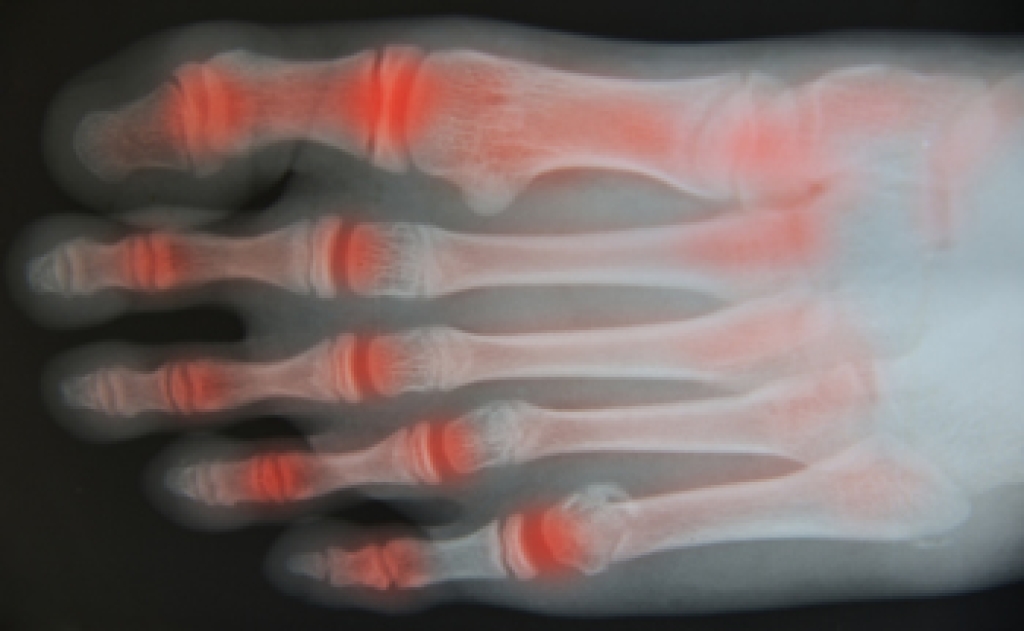
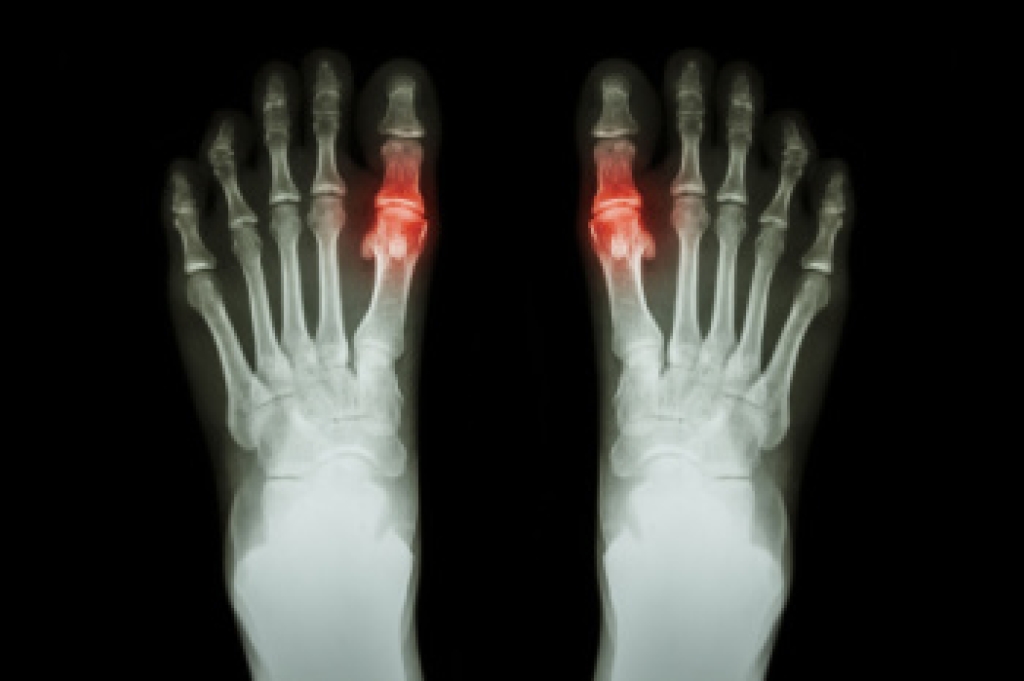
Gout is a painful inflammatory joint condition that develops when excess uric acid accumulates in the body and forms sharp crystals within the joints. This process is associated with a condition in which uric acid levels in the blood become elevated. The big toe joint is one of the most commonly affected areas because it is susceptible to crystal accumulation and pressure during movement. Symptoms include sudden joint pain, swelling, redness, warmth, and tenderness that may make walking difficult. Risk factors may involve diet-related influences, genetic predisposition, certain medical conditions, and reduced kidney function. A podiatrist can evaluate joint symptoms, help manage inflammation, and recommend supportive care. If sudden pain or swelling affects your big toe, it is suggested that you promptly consult a podiatrist who can help you to manage this painful condition.

Gout is a foot condition that requires certain treatment and care. If you are seeking treatment, contact Scott Amoss, DPM from Advanced Foot & Ankle Specialists. our doctor will treat your foot and ankle needs.

What Is Gout?

Gout is a type of arthritis caused by a buildup of uric acid in the bloodstream. It often develops in the foot, especially the big toe area, although it can manifest in other parts of the body as well. Gout can make walking and standing very painful and is especially common in diabetics and the obese.

People typically get gout because of a poor diet. Genetic predisposition is also a factor. The children of parents who have had gout frequently have a chance of developing it themselves.

Gout can easily be identified by redness and inflammation of the big toe and the surrounding areas of the foot. Other symptoms include extreme fatigue, joint pain, and running high fevers. Sometimes corticosteroid drugs can be prescribed to treat gout, but the best way to combat this disease is to get more exercise and eat a better diet.

If you have any questions, please feel free to contact our offices located in Whiting and Toms River, NJ . We offer the newest diagnostic and treatment technologies for all your foot care needs.
Read more about Everything You Need to Know About Gout

Treatment for Black Toenails

A toenail may turn black after the toe is hit, crushed, or pressed repeatedly inside a tight shoe, common among runners. The dark color usually comes from blood trapped under the nail after the area beneath it has been injured. As this blood builds up, it can cause throbbing pain from strong pressure. A podiatrist will examine the black toenail, check how well the toe moves, and make sure blood flow to the area is normal. An X-ray may be taken to see if the bone at the tip of the toe is broken. If pressure under the nail is causing pain, a podiatrist can create a tiny opening in the nail to gently drain the trapped blood and relieve discomfort. In more serious cases, part of the nail may need to be removed so the damaged tissue underneath can heal properly. This can also reduce the risk of nail changes later. If you notice a toenail that has changed in color, it is suggested that you make an appointment with a podiatrist for an exam, diagnosis, and treatment.

Toe pain can disrupt your daily activities. If you have any concerns, contact Scott Amoss, DPM of Advanced Foot & Ankle Specialists. our doctor can provide the care you need to keep you pain-free and on your feet.

What Causes Toe Pain?

Most severe toe pain is caused due to a sports injury, trauma from dropping something heavy on the toe, or bumping into something rigid. Other problems can develop over time for various reasons.

Toe pain can be caused by one or more ailments. The most common include:

  • Trauma
  • Sports injury
  • Wearing shoes that are too tight
  • Arthritis
  • Gout
  • Corns and calluses
  • Hammertoe
  • Bunions
  • Blisters
  • Ingrown toenails
  • Sprains
  • Fractures (broken bones)
  • Dislocations

When to See a Podiatrist

  • Severe pain
  • Persistent pain that lasts more than a week
  • Signs of infection
  • Continued swelling
  • Pain that prevents walking

Diagnosis

In many cases the cause of toe pain is obvious, but in others, a podiatrist may want to use more advanced methods to determine the problem. These can range from simple visual inspections and sensation tests to X-rays and MRI scans. Prior medical history, family medical history, and any recent physical traumatic events will all be taken into consideration for a proper diagnosis.

Treatment

Treatments for toe pain and injuries vary and may include shoe inserts, padding, taping, medicines, injections, and in some cases, surgery. If you believe that you have broken a toe, please see a podiatrist as soon as possible.

If you have any questions please contact our offices located in Whiting and Toms River, NJ . We offer the newest diagnostic and treatment technologies for all your foot and ankle needs.

Read more about Toe Pain

Understanding a Clubfoot Deformity

Clubfoot, medically known as talipes equinovarus, is a congenital deformity in which a baby is born with one or both feet turned inward and downward. The position of the foot is referred to as CAVE. C is for cavus or arch.  A is for adductus, because the front of the foot angles inward. V is for varus, when the heel tilts inward. E is for equinus, where the ankle points down like a tiptoe. Clubfoot occurs in the womb when foot and calf muscles pull unevenly. This tightens tendons and ligaments and guides bones out of line as a child grows. A podiatrist can confirm clubfoot with an exam and implement the Ponseti method, which consists of a series of casts that correct the foot alignment. This is often followed by an Achilles tendon release and bracing to reduce relapse. If your child is born with a clubfoot, it is suggested that you are under the care of a podiatrist for help in managing this condition.

Congenital foot problems require immediate attention to avoid future complications. If you have any concerns, contact Scott Amoss, DPM of Advanced Foot & Ankle Specialists. our doctor can provide the care you need to keep you pain-free and on your feet.

Congenital foot problems are deformities affecting the feet, toes, and/or ankles that children are born with. Some of these conditions have a genetic cause while others just happen. Some specific foot ailments that children may be born with include clubfeet, polydactyly/macrodactyly, and cleft foot. There are several other foot anomalies that can occur congenitally. What all of these conditions have in common is that a child may experience difficulty walking or performing everyday activities, as well as trouble finding footwear that fits their foot deformity. Some of these conditions are more serious than others. Consulting with a podiatrist as early as possible will help in properly diagnosing a child’s foot condition while getting the necessary treatment underway.

What are Causes of Congenital Foot Problem?

A congenital foot problem is one that happens to a child at birth. These conditions can be caused by a genetic predisposition, developmental or positional abnormalities during gestation, or with no known cause.

What are Symptoms of Congenital Foot Problems?

Symptoms vary by the congenital condition. Symptoms may consist of the following:

  • Clubfoot, where tendons are shortened, bones are shaped differently, and the Achilles tendon is tight, causing the foot to point in and down. It is also possible for the soles of the feet to face each other.
  • Polydactyly, which usually consists of a nubbin or small lump of tissue without a bone, a toe that is partially formed but has no joints, or an extra toe.
  • Vertical talus, where the talus bone forms in the wrong position causing other bones in the foot to line up improperly, the front of the foot to point up, and the bottom of the foot to stiffen, with no arch, and to curve out.
  • Tarsal coalition, when there is an abnormal connection of two or more bones in the foot leading to severe, rigid flatfoot.
  • Cleft foot, where there are missing toes, a V-shaped cleft, and other anatomical differences.
  • Macrodactyly, when the toes are abnormally large due to overgrowth of the underlying bone or soft tissue.

Treatment and Prevention

While there is nothing one can do to prevent congenital foot problems, raising awareness and receiving neonatal screenings are important. Early detection by taking your child to a podiatrist leads to the best outcome possible.

If you have any questions, please feel free to contact our offices located in Whiting and Toms River, NJ . We offer the newest diagnostic and treatment technologies for all your foot care needs.

Read more about Congenital Foot Problems

Do Your Child's Feet Hurt?

Have your child's feet been examined lately? Healthy feet are happy feet. If your child is complaining of foot pain, it may be a sign of underlying problems.

Recognizing Signs of Arthritis in the Feet

Arthritis in the feet occurs when joint cartilage gradually wears down or becomes damaged, leading to inflammation and painful movement. Each foot contains dozens of joints, so even small structural changes can affect walking and balance. Early signs of arthritis include aching during activity, swelling, stiffness after rest, and tenderness when pressure is placed on the foot. Osteoarthritis, which commonly affects the big toe joint, develops from long-term joint wear. Rheumatoid and psoriatic arthritis result from immune system disorders that attack joint tissue. Previous injury, aging, excess body weight, family history, and abnormal foot mechanics can increase risk. A podiatrist can evaluate joint motion, identify deformities, order diagnostic imaging, and design a medical plan to reduce inflammation and protect joint function. If you have symptoms of arthritis in the feet, it is suggested that you make an appointment with a podiatrist for an exam, diagnosis, and ongoing treatment.

Arthritis can be a difficult condition to live with. If you are seeking treatment, contact Scott Amoss, DPM from Advanced Foot & Ankle Specialists. our doctor can provide the care you need to keep you pain-free and on your feet.

Arthritic Foot Care  

Arthritis is a term that is commonly used to describe joint pain.  The condition itself can occur to anyone of any age, race, or gender, and there are over 100 types of it.  Nevertheless, arthritis is more commonly found in women compared to men, and it is also more prevalent in those who are overweight. The causes of arthritis vary depending on which type of arthritis you have. Osteoarthritis for example, is often caused by injury, while rheumatoid arthritis is caused by a misdirected immune system.

Symptoms

  • Swelling
  • Pain
  • Stiffness
  • Decreased Range of Motion

Arthritic symptoms range in severity, and they may come and go. Some symptoms stay the same for several years but could potentially get worse with time. Severe cases of arthritis can prevent its sufferers from performing daily activities and make walking difficult.

Risk Factors

  • Occupation – Occupations requiring repetitive knee movements have been linked to osteoarthritis
  • Obesity – Excess weight can contribute to osteoarthritis development
  • Infection – Microbial agents can infect the joints and trigger arthritis
  • Joint Injuries – Damage to joints may lead to osteoarthritis
  • Age – Risk increases with age
  • Gender –Most types are more common in women
  • Genetics – Arthritis can be hereditary

If you suspect your arthritis is affecting your feet, it is crucial that you see a podiatrist immediately. Your doctor will be able to address your specific case and help you decide which treatment method is best for you.

If you have any questions please feel free to contact our offices located in Whiting and Toms River, NJ . We offer the newest diagnostic tools and technology to treat your foot and ankle needs.

Read more about How to Care for Your Arthritic Foot

Connect With Us

scroll to top